How we onboard codes and maintain accuracy over time
Our content team follows a systematic process to bring new jurisdictions into UpCodes and keep adopted codes accurate as they change. Because publication lifecycles vary by AHJ, our workflow is designed to stay current and auditable.
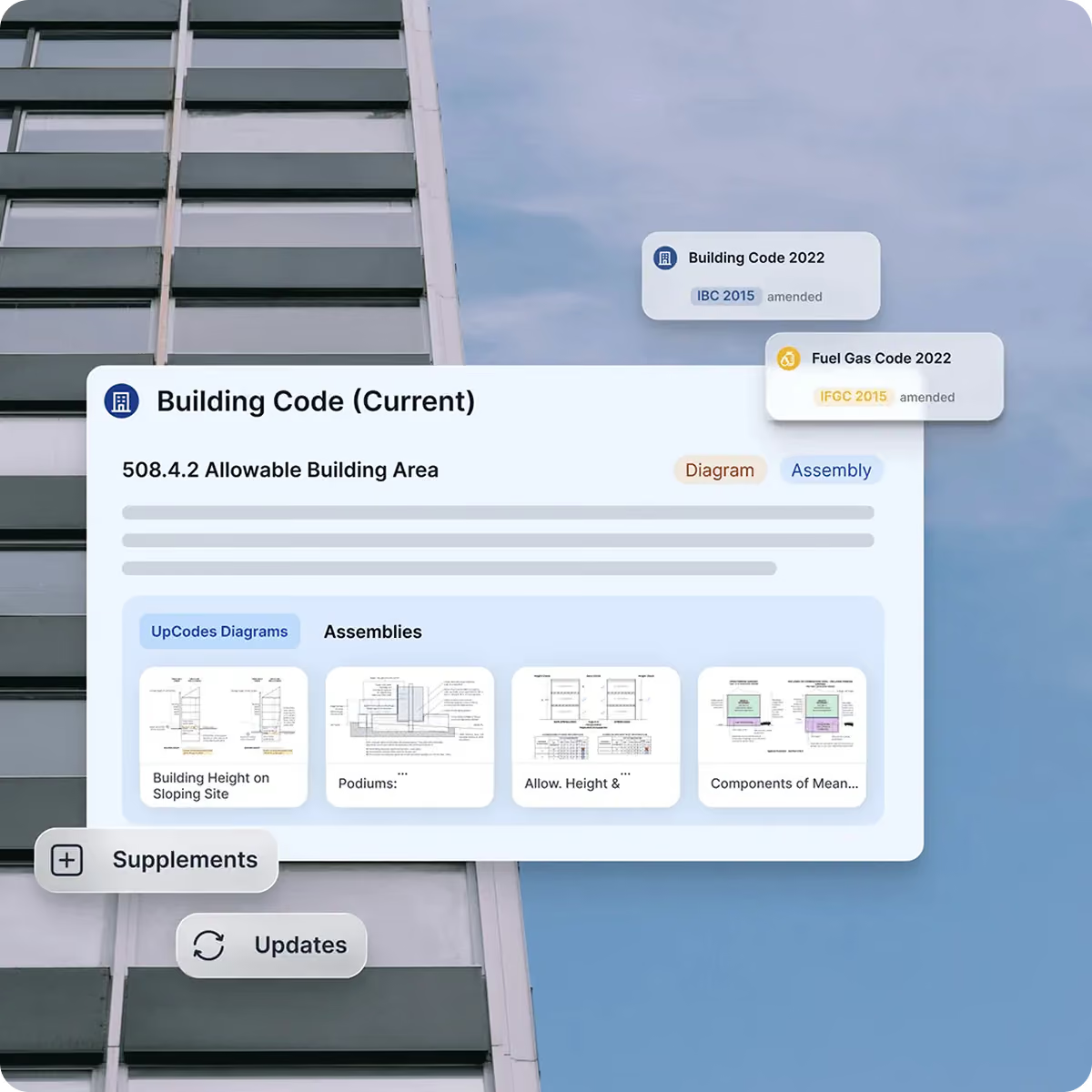
Accuracy is a lifecycle, not a
one-time import
Codes don’t arrive as a single “final” PDF. They move through drafts, errata, supplements, and local amendment cycles. Our process tracks those stages so adopted requirements remain consistent inside UpCodes.
Trusted by 800,000 AEC professionals and teams who rely on accurate, current codes.





















































"Before UpCodes, I used to chase down state and local modifications myself, finding the actual code mod legislation on government websites, so I know how to get my information from primary sources. And I've had at least two experiences with other aggregators that left out changes or got them wrong. That shot my confidence in those sources forever. So when UpCodes came out, I double-checked it many times, and to date I have not found any substantive errors or omissions. I now have enough confidence in UpCodes that I go to it directly for accurate state code texts."
Paul Naprstek, Principal at PEN Architectural Consulting
How we maintain code accuracy over time
Here's what we ask as we research each jurisdiction:
- Which AHJ governs which code? This helps us break down the regulatory and legislative authority for each city/state.
- How does the AHJ make code changes? This helps us determine how the AHJ adopts and amends code.
- How do codes from different AHJs work together? This helps us understand the intricate relationships between the various code-enforcing entities.
We coordinate with AHJs and work with code development staff on an ongoing basis. That coordination helps us resolve clarifications faster, identify typos or errors earlier, and share those findings back with the AHJ. It also allows us to anticipate upcoming adoptions. By tracking draft versions, reviewing adoption details, processing draft legislation, and addressing AHJ questions, we’re able to host future codes well ahead of their effective dates.
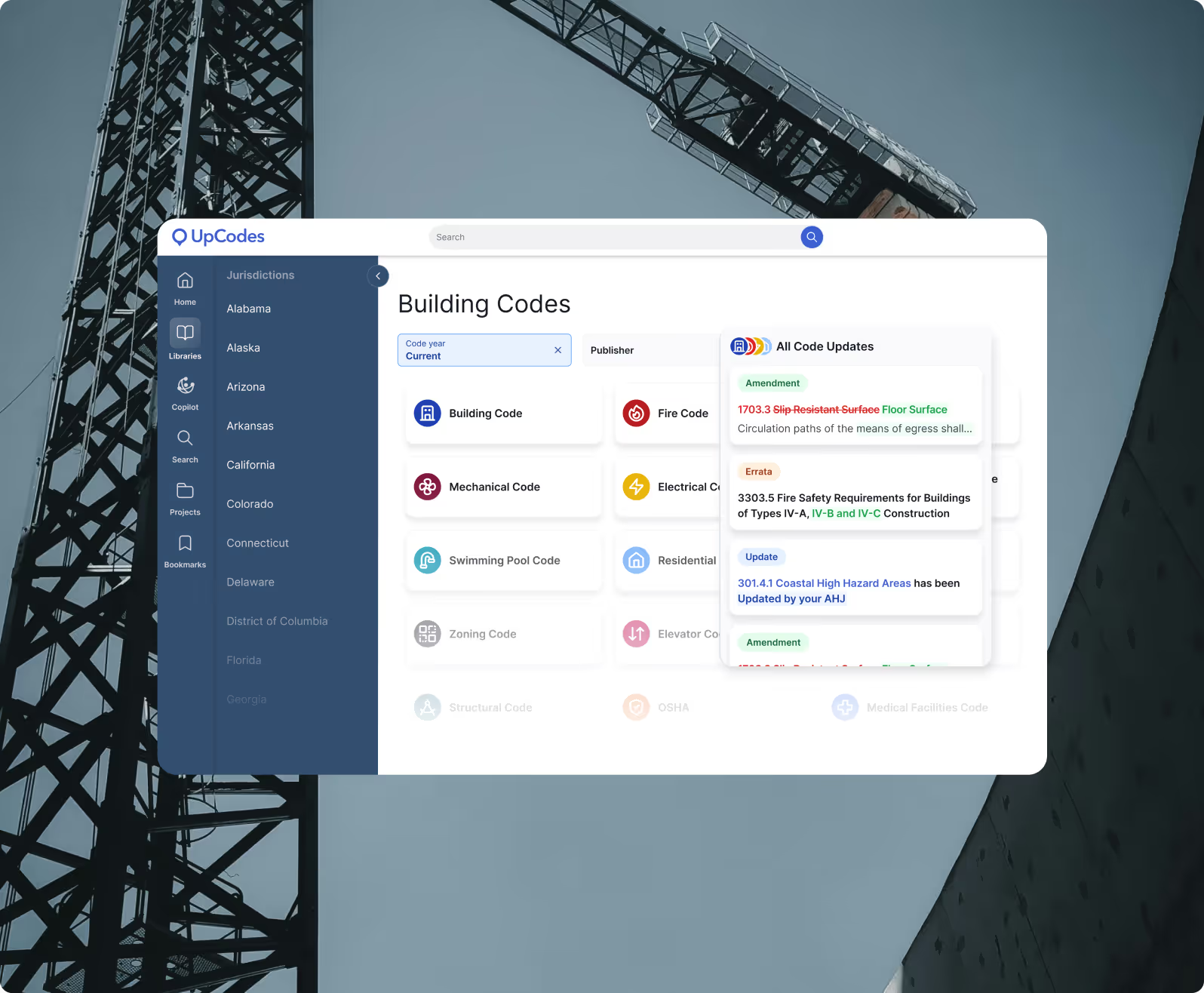
Once a code moves toward adoption, we follow it through every stage of its lifecycle. That includes obtaining final versions, reviewing adoption details, performing comparative analysis, and resolving outstanding AHJ questions. When the effective date arrives, the adopted code becomes the current code available on UpCodes for that jurisdiction. From there, we continue tracking supplements, updates, and intermittent legislation to ensure the content stays current.
Code accuracy doesn’t stop at publication. Our team combines technology with full-time, dedicated code reviewers to monitor AHJ-specific updates, addenda, errata, and TIAs as they’re released. We incorporate changes throughout the lifecycle until a code adoption is eventually superseded in that jurisdiction. This ongoing process ensures users are always working from the most accurate, enforceable version available.
A platform with depth and breadth
