How Cyntergy saved $1M on a factory project with UpCodes Copilot
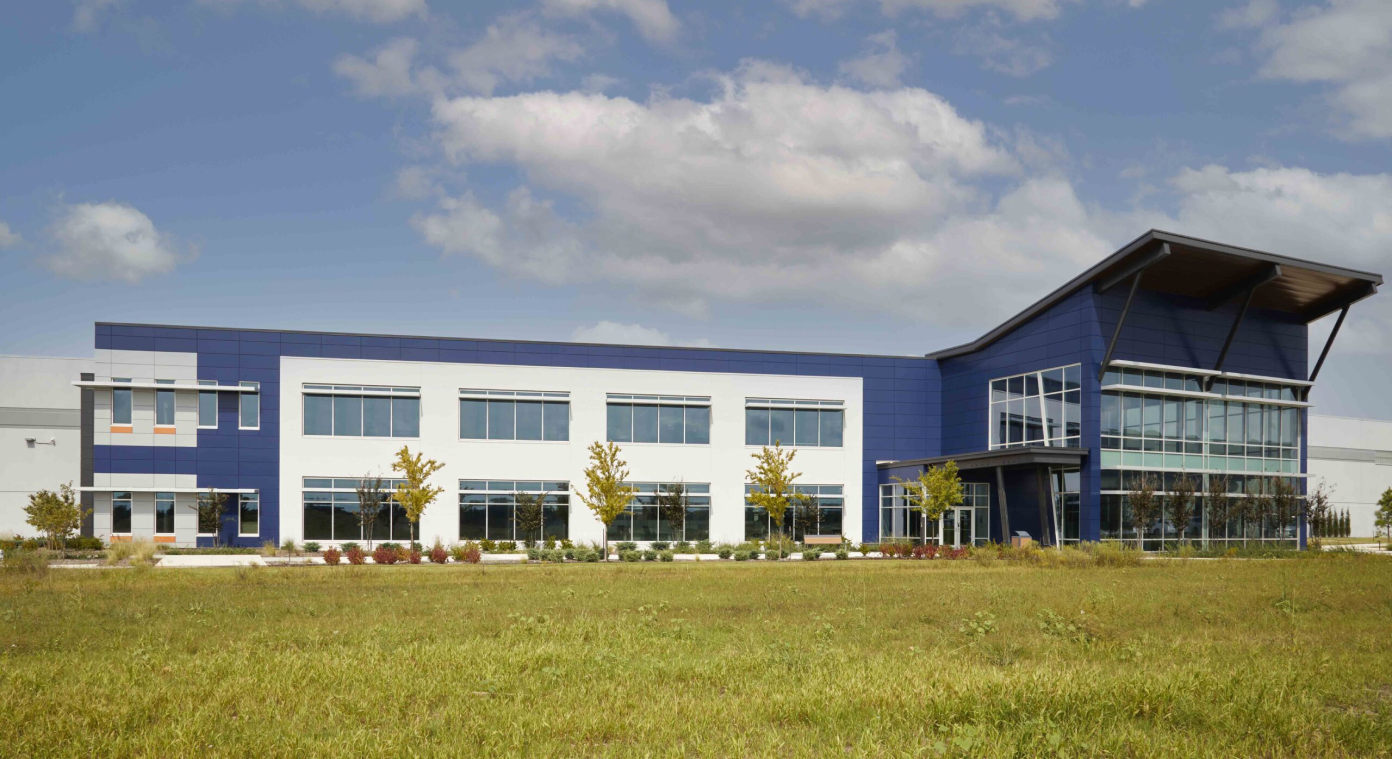
When Cyntergy was faced with prohibitive firewall requirements on a large factory project, Senior Architect John Alig used UpCodes Copilot to stress-test an alternative solution. He vetted the idea’s compliance feasibility with Copilot, resulting in a quick city approval and saving the client $1-2M.
- $1–2 million saved on a $23 million project
- Proposal prepared in 3 days with Copilot
- City approval secured in 17 minutes
- 1-2 weeks of code research time saved per project
"Copilot gave me the confidence to walk into a meeting with code officials and my client, who's a multi-billionaire, knowing I wasn’t wasting anyone’s time." - John Alig, Senior Architect at Cyntergy
About Cyntergy
Cyntergy is a general-practice firm based in Tulsa, Oklahoma, working on full-service architectural, engineering, structural, civil, and MEP projects throughout the state and country.
As Senior Architect, John Alig oversees projects from the first client meeting through the grand opening. He works closely with designers to ensure their work is functional, code-compliant, and aligned with the client’s needs.

A complex factory expansion pushes code limits
In 2025, Johns team was tasked with expanding and reconstructing a massive factory. The finished facility would look like a three-story building, but it was actually three separate spaces. The client wanted to wrap a two-story office space around the existing factory, with a smaller three-story executive suite.
The addition would mean 200,000 additional square feet, well over code allowances for a factory of this size. Making the extra square footage compliant required so many firewalls that they’d push the project over budget, and make the space less functional.
Since the facility wasn’t a typical three-story building, a colleague of John’s floated an unexpected idea. What if the two-story office space was more like an unusually designed mezzanine?
The idea could save significant budget and time, because a two-story building with a mezzanine would be subject to simpler fire-safety codes. John decided to run the mezzanine plan by UpCodes Copilot to explore its feasibility in depth.
“Without UpCodes, this would have taken months. I don’t know if I would have figured it out. I asked Copilot to search through all the minutiae where the code gets technical and counterintuitive.” - John Alig, Senior Architect at Cyntergy
An unexpected solution, tested with Copilot
Over three days, John worked through the idea with Copilot in a question-and-answer style, uploading plans and laying out the problem. “I told Copilot: explain whether this works as a mezzanine, like I’m two years old,” he says.
Using UpCodes Copilot, John vetted the idea in three stages:
- Explore the project’s technical specifications. Copilot prompted for details, like means of egress and the size of the first-floor area, that could determine compliance.
- Map out potential code contradictions. Copilot surfaced all 200+ locations where mezzanines are referenced in Oklahoma building code, flagging potential areas where code sections might contradict each other.
- Double-check and verify. John used his expertise to dig deeper when he needed clarification and verified all Copilot’s suggestions in the code himself.
Based on these findings, John had Copilot generate two documents: a three-page, point-by-point summary of the idea's feasibility and code compliance, and a narrative-style summary to be shared with city officials.
Before taking the idea to officials, John had colleagues at the firm who knew nothing about the project read through the documents, confirming his argument would be clear even to a layperson with no code background.
"Oklahoma code talks about mezzanines in 200 places. I had Copilot check all of them for contradictions and exemptions. My approach was: 'This proposal isn’t done until I agree completely.” - John Alig
Three days of research, $1-2M saved
John walked into his meeting ready to defend his idea. Seventeen minutes later, he walked out with an approved proposal in hand. “Tulsa officials are sticklers about code, but they only had two questions, both of which I’d already addressed in the document,” he says. “It was clear that this was a two-story building with a very large mezzanine.”
- $1–2 million saved on a $23 million project
- Proposal prepared in 3 days with Copilot
- City approval secured in 17 minutes
- 1-2 weeks of code research time saved per project
John plans to keep using Copilot for tricky code requirements in the future. Even before this factory project, Cyntergy has been using UpCodes for nearly all its projects. John estimates that it saves them 1-2 weeks of code research, even for less challenging cases.
"I use Copilot like an intern, kicking off super-detailed research I don’t have time for. Iit’s much more accurate, because it’s only referring to the code itself.” - John Alig


